
Accepting new clients
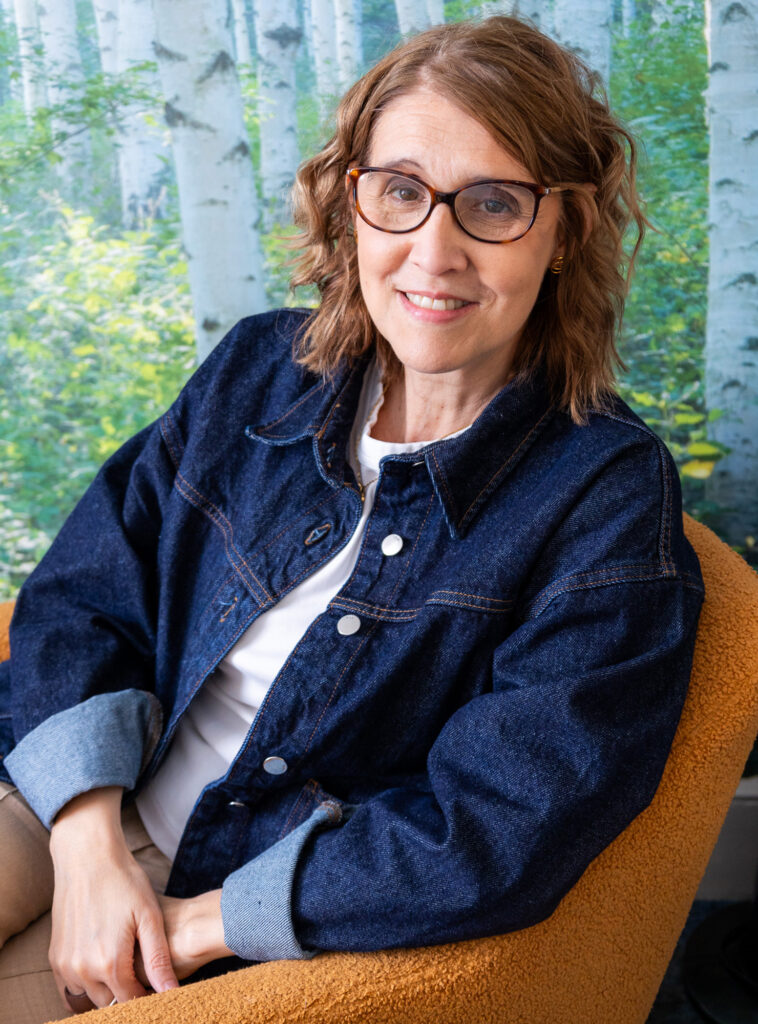
Helping clients find meaning, purpose and a stronger sense of self in their lives is an important part of my work as a therapist. I consider it a privilege to be part of their journey of self-discovery and reconstruction, supporting them to identify new ways to engage creatively with their lives and moving to more sophisticated patterns of thinking, feeling and being.
I am an integrative psychotherapist registered with the British Association of Counselling & Psychotherapy (BACP), working with young adults, adults and couples. I have trained in Existential Counselling & Psychotherapy and in Psychodynamic Psychotherapy. Additionally, I have completed specialist training in Bereavement Counselling, Cognitive Behaviour Therapy (CBT) and EFT (Emotionally Focused Therapy). I have worked in the field of counselling and psychotherapy for several years in London and abroad for a number of organisations including Westminster Mind, Cruse Bereavement and the NHS IAPT service.
I have worked with couples for many years, supporting them in exploring the patterns within their relationships and the conflicts that often arise from them. Together, we examine how they connect, how they manage conflict, and how they repair after rupture. The work provides a space for both partners to express their feelings and share their stories, while understanding the deeper dynamics at play. The process is progressive and, sometimes painful. Trust is built gradually within a safe and supportive environment where emotions and difficulties can be explored openly.
I have a breadth of experience in working with life transitions such as young adulthood (16-18 of age), motherhood & midlife. My previous experience in the corporate world working for multinational organisations across the globe at a managerial level also informs my practice, as I understand the challenges of the corporate working environment and its impacts upon individuals.
I have worked with individuals suffering from a number of difficulties and challenges including anxiety, stress, panic attacks, depression, post-traumatic stress disorder (PTSD), HIV, agoraphobia, bereavement & loss, relationship difficulties, suicide, addiction, eating disorders, sleep disorders, sexual abuse, cancer, obsessional behaviour, self-harm, infertility, post-partum depression, menopause, trauma, OCD, phobias, pregnancy related issues, amongst others.
Psychodynamic Therapy explores how unconscious thoughts, past experiences, and early relationships shape current perceptions, emotions and behaviour, often influencing decision making. Throughout the therapeutic process clients become more aware of repetitive dysfunctional patterns, uncovering defensive mechanisms and begin to change the way they relate to themselves and others. By accessing, articulating, and expressing their emotions, clients are able to reflect on their deeper meanings and develop healthier ways of being in the world.
Existential Therapy is grounded by existential philosophy and the belief of a world where meaning is constructed throughout our lived experiences and responses to life’s unpredictability. Choice, responsibility, anxiety, uncertainty and mortality are understood as unavoidable aspects of human existence. Rather than offering solutions or ready-made answers, existential counselling supports individuals in confronting life’s challenges with honesty, courage, and personal responsibility. The aim is to help clients face difficulties more openly and to live more authentically, in alignment with their own values and choices.
Cognitive Behavioural Therapy (CBT) is based on the understanding that thoughts, emotions, and behaviours are closely connected. It recognises that our perception of events—rather than the events themselves—shapes our emotional responses and actions. CBT helps individuals identify and challenge patterns of negative thinking, and supports them in developing more balanced, constructive ways of seeing themselves and the world around them.
Emotionally Focused Therapy (EFT) helps couples identify and change patterns of conflict by focusing on the emotions underneath.
The idea is that many relationships’ struggles come from unmet emotional needs, like feeling unloved, unsupported, or disconnected.
The therapist guides the couple through three main stages:
EFT helps couples move from conflict and disconnection to closeness and understanding by working with core emotions and attachment needs.
Who I work with
Young adults, adults and couples.
How I work
I work both online and in person.
Fees per hour
Please get in touch to enquire about hourly rates and packages.
Other areas of expertise
Abuse
Addiction
ADHD
Anger management
Anxiety
Bereavement and loss
Couples counselling
Depression
Divorce and separation
Eating disorders
Fertility issues
Low self-esteem
OCD
Phobias
PTSD and trauma
Redundancy and unemployment
Self harm
Shame and guilt
Stress management
Teenager and young adult support
Sign up the Greenhouse’s regular business journal to keep you informed and connected.
For more information about The Greenhouse, its members, community and events.